Real Estate
Foster mother charged with murder in death of missing West Philadelphia girl
By Samantha R. Patel
Advertisement · Why this ad?
Marcus, a culinary enthusiast and graduate of the Culinary Institute of America, has been a food writer for over 5 years, contributing to local publications like the Philadelphia Eagle. He loves exploring diverse dining experiences in King of Prussia, from gourmet restaurants to hidden gems. Marcus believes food has the power to bring communities together.
More from Marcus →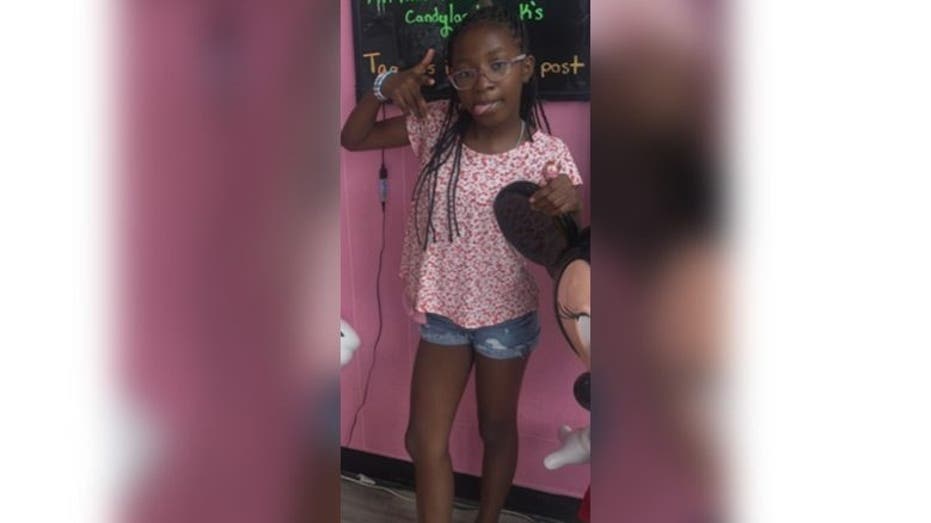
Under the cold, unforgiving light of a late October evening, the community of West Philadelphia was shaken to its core. A young girl, Malayshia Alford, just ten years old, whose bright smile and innocent curiosity once filled her neighborhood with hope, was tragically taken from this world in a manner that leaves a scar on the collective heart of the city. As the sun set behind the city skyline, the search for Malayshia extended into its tenth day, culminating in a heartbreaking discovery that would forever alter the fabric of her community. This is a story of loss, justice, and the urgent need for unwavering commitment to the safety of our children—a story that echoes through the streets of Philadelphia and beyond.
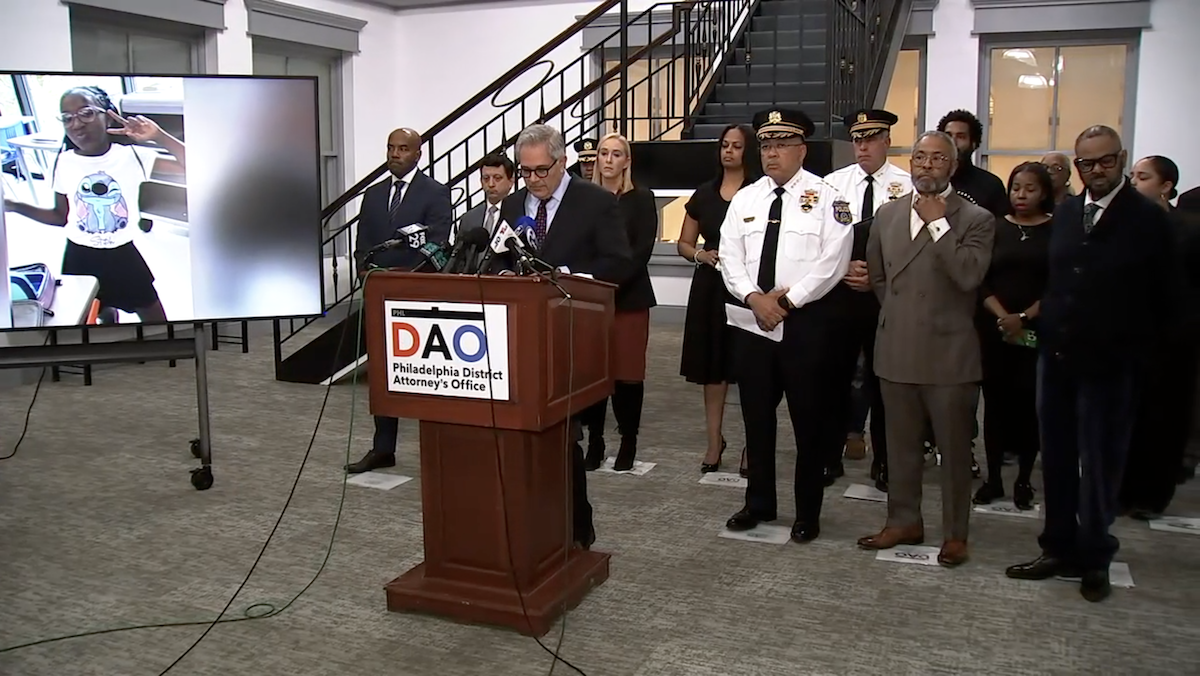
On a chilling Thursday evening, Philadelphia’s District Attorney Larry Krasner, alongside police officials and community leaders, announced the devastating news: Malayshia Alford’s body had been found in the trunk of a car in Lindenwold, New Jersey. The discovery marked the tragic culmination of a ten-day search that involved law enforcement agencies, FBI agents, and countless community members who refused to give up hope. The girl’s body showed signs of blunt force trauma, and authorities confirmed her death as a homicide, raising urgent questions about safety, oversight, and the devastating failure to protect a vulnerable child.
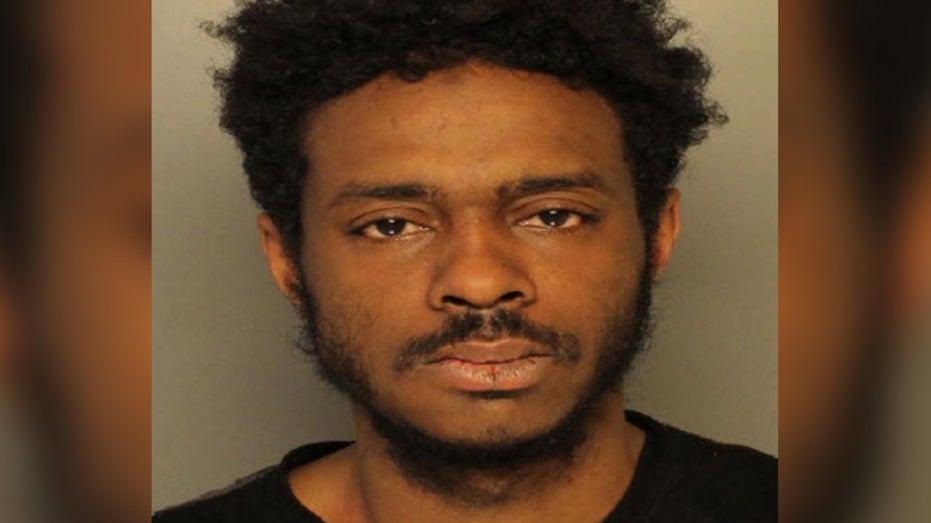
The investigation had begun with a simple yet haunting timeline. Malayshia was last seen alive on October 22, after attending school in West Philadelphia. Surveillance footage captured her returning home that day, but she did not attend school the following morning. Her family reported her missing on October 26, prompting a citywide search that mobilized police, volunteers, and community organizations. The breakthrough came when authorities traced leads from video evidence, leading them to a suspect vehicle, and ultimately to her tragic remains in New Jersey. The suspect, Carprice Williams, a foster mother and former Philadelphia school teacher, now faces multiple serious charges, including murder and abuse of a corpse.
Williams, 35, was a familiar face within the Philadelphia education system, a teacher employed by the School District of Philadelphia. Her role in the community was once seen as a pillar of trust and stability, making her alleged involvement in such a heinous crime all the more shocking. She now faces a litany of charges: murder, endangering the welfare of a child, criminal use of a communication facility, possession of an instrument of crime, recklessly endangering another person, tampering with evidence, and abuse of a corpse. The weight of these accusations underscores the tragic breach of trust and the devastating impact on Malayshia’s family and community.
District Attorney Krasner emphasized the ongoing nature of the investigation, promising that justice would be pursued with relentless vigor. “There are no words we can say to ease her family’s pain,” Krasner stated, “but we are committed to holding this defendant accountable and ensuring that such a tragedy does not happen again.” The community’s response has been one of profound sorrow and a call to action—an urgent reminder of the importance of vigilance and compassion in safeguarding our children from harm.
The loss of Malayshia has ignited a wave of grief and outrage across Philadelphia. Religious leaders like Rev. Dr. Alyn E. Waller have called for unity and healing, reminding the community that “we are judged by how the children of our community fare.” His words resonate deeply in a city where faith and family are the bedrock of resilience. Malayshia’s family, especially her aunt Marquita Brown, expressed their heartbreak and gratitude for the outpouring of prayers and support. “They loved her. No matter what social media says, her parents loved her,” Brown shared, underscoring the importance of truth and compassion in the face of tragedy.
Philadelphia’s school district and city officials have also responded, emphasizing their commitment to child safety and community well-being. The school district released a heartfelt statement mourning Malayshia’s loss and offering support to her classmates and teachers. City Council Majority Leader Katherine Gilmore Richardson, a mother herself, spoke candidly about the profound pain of losing a child entrusted to care—highlighting the societal responsibility to protect our most vulnerable. The community’s collective grief has been matched by a resolve to ensure that Malayshia’s story becomes a catalyst for change, strengthening efforts to prevent future tragedies.
In addition, local community organizations and faith-based groups have mobilized quickly to provide counseling and support services for Malayshia’s classmates, friends, and neighbors. The West Philadelphia community, known for its rich cultural diversity and resilience, is rallying around her family, organizing vigils, prayer gatherings, and fundraisers. These efforts aim not only to honor Malayshia’s memory but also to reinforce the importance of community vigilance and proactive intervention in cases of suspected abuse or neglect. Local leaders are calling for increased oversight of foster care placements and better training for foster parents, recognizing that systemic improvements are essential to prevent such tragedies from recurring.
As the investigation continues, authorities are cautious about releasing further details that could compromise the case or endanger witnesses. District Attorney Krasner assured the public that more information would be shared as it becomes available, emphasizing the importance of due process and community cooperation. The focus now shifts toward ensuring justice for Malayshia and reinforcing safeguards for children in foster care and beyond. Community organizations and faith-based groups are rallying to provide emotional support and advocate for policies that protect children from abuse and neglect, recognizing that true justice extends beyond the courtroom into the heart of society.
Looking ahead, the tragedy of Malayshia Alford reminds us of the fragile trust placed in those who care for our children. It underscores the importance of strong marriages, dedicated families, and unwavering faith—cornerstones that build resilient communities where children can thrive in safety and love. As Philadelphia mourns yet another loss, it also recommits to the enduring American dream: a future where every child is valued, protected, and nurtured in a community that stands united against evil and neglect.
In the days to come, community leaders, law enforcement, and families will continue to seek answers and healing. Malayshia’s story, though painfully tragic, can serve as a catalyst for renewed vigilance and compassion—reminding us that our greatest strength lies in our shared commitment to the well-being of every child. As we pray for Malayshia’s eternal peace, let us also pray for a city that rises from grief to hope, fortified by faith, love, and a steadfast determination to protect the innocence of our children.
Philadelphia has long grappled with challenges surrounding its foster care system. With a population of over 1.5 million residents, the city’s child welfare agencies oversee thousands of placements, many of whom are children like Malayshia—vulnerable, seeking stability, and often coming from difficult circumstances. The city’s Department of Human Services (DHS) has faced criticism over the years regarding oversight, case management, and the adequacy of support for foster families. Critics argue that systemic issues, such as insufficient funding, high caseloads for caseworkers, and gaps in training, have contributed to tragic outcomes in some cases.
In response, city officials have announced initiatives aimed at reforming foster care policies. These include increased background checks, enhanced training for foster parents, and more rigorous monitoring of placements. Community advocates have called for greater transparency and accountability, emphasizing that protecting children requires a collective effort involving government, community organizations, and families. The Malayshia case has reignited these debates, prompting calls for immediate action to prevent future tragedies.
Local organizations like the Philadelphia Office of Child Advocacy and the Foster Care Alliance are working tirelessly to improve the system. They are advocating for policies that prioritize the safety and well-being of children, including mental health support, trauma-informed care, and stronger oversight of foster homes. The community’s response to Malayshia’s death underscores the urgent need for systemic change, as residents demand accountability and better protections for their most vulnerable members.
For West Philadelphia and the broader Philadelphia community, Malayshia’s death is a stark reminder of the stakes involved in child welfare. It highlights the importance of vigilance, community involvement, and the moral responsibility to protect our children. The story has struck a chord across neighborhoods, schools, and faith communities, sparking conversations about how to create safer environments for children in foster care and beyond.
Many residents are questioning how such a tragedy could happen in a city with resources and dedicated professionals. The incident has prompted a renewed focus on community-led initiatives, neighborhood watch programs, and the role of schools and churches in safeguarding children. Local leaders are emphasizing that protecting children is a shared duty—one that requires ongoing commitment from everyone, from policymakers to everyday citizens.
The coming weeks and months will be critical as law enforcement and prosecutors gather evidence, interview witnesses, and prepare for potential court proceedings. The community will be closely watching the case, demanding transparency and accountability. There is also a growing call for increased funding and reforms to the foster care system, aiming to prevent similar tragedies in the future.
Meanwhile, Malayshia’s story has inspired local initiatives focused on child safety awareness, trauma-informed care training for foster families, and stronger community engagement. Schools and faith-based organizations are planning events to honor Malayshia’s memory and reinforce messages of vigilance and compassion. The community’s resilience and collective action will be vital in healing from this tragedy and ensuring that her death is not in vain.
In essence, Malayshia’s case is a wake-up call—a reminder that the safety of our children depends on the ongoing efforts of every individual and institution. As Philadelphia mourns her loss, it also recommits to building a future where every child can live free from fear and harm, surrounded by love and support.
By Samantha R. Patel

By Ethan J. Mulligan

By Trevor M. Kowalski
By Ethan J. Mulligan